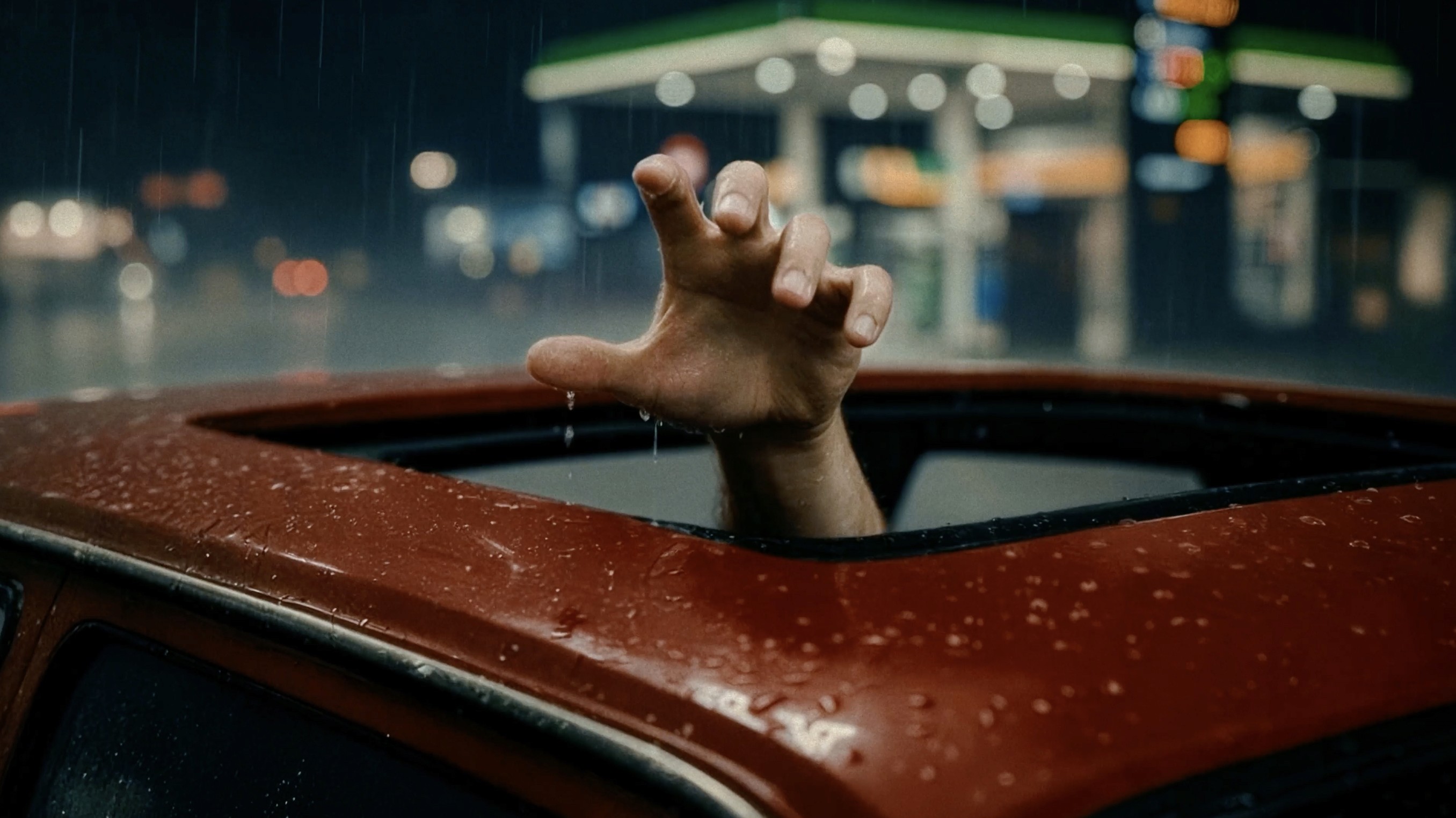
Almost a year ago today, I led a project for AUTOTRADER. It was their first generative-AI project. Why? They wanted to jump on the speeding train, be first, dip their toe in, and achieve something that simply wasn’t possible through traditional production routes within the timeframe or budget they had. It was a massive challenge and a huge learning curve.
They also had some very specific requests: pregnancy, envious affection, grumpy children, and one shot that became by far the most time-consuming: a fast-food drive-thru where a man collects his order not through the driver’s window, but through the sunroof.
I searched the internet, trawled image libraries, scrolled Pinterest, and watched countless commercials. I couldn’t find a single useful reference. Hell, I even got in my own car and mocked it up, then built a crude Photoshop comp to help inform the output.
At the time, we achieved a pretty damn good result. So, what has changed in the past 12 months?
A huge amount.
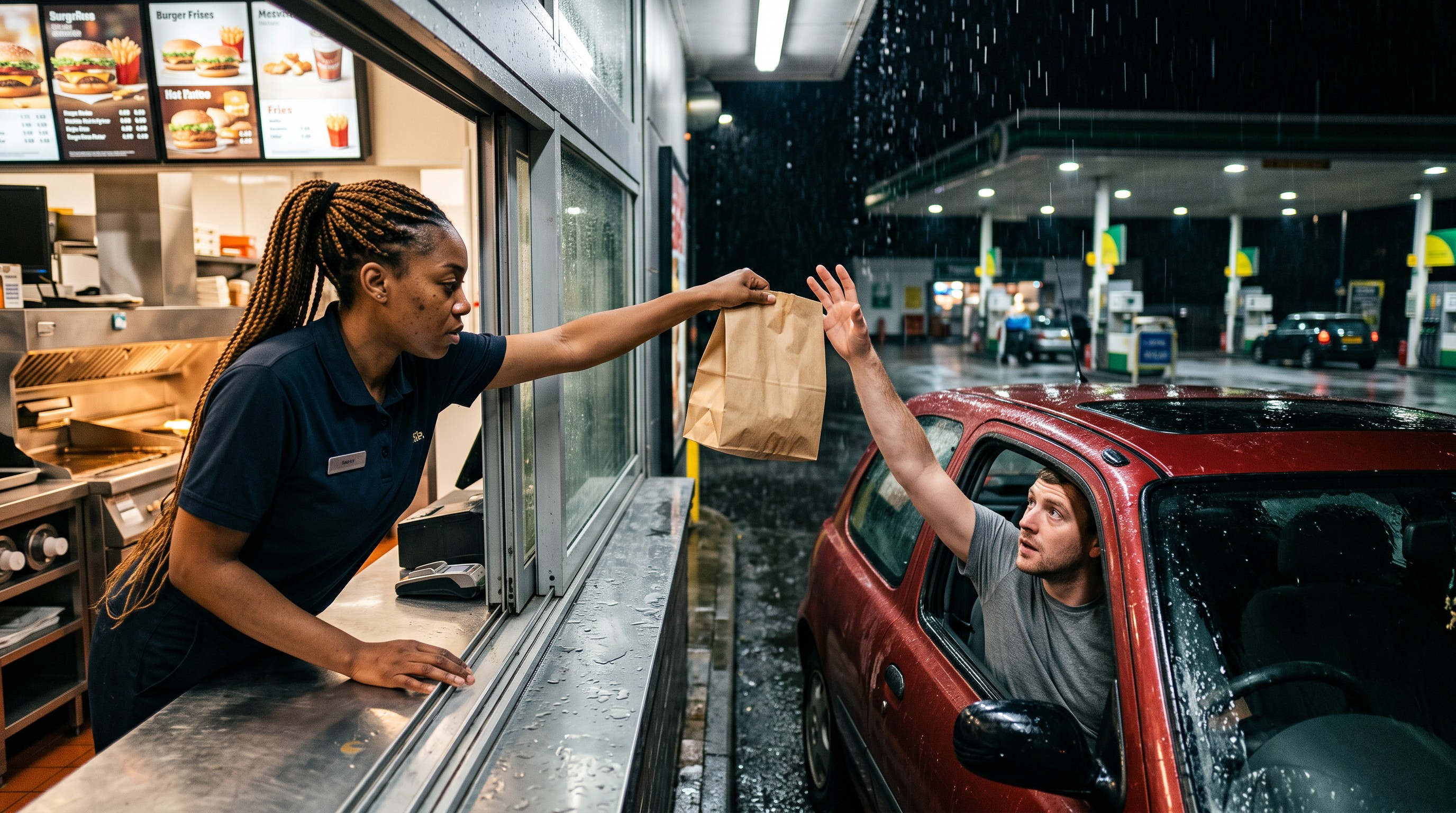
Previously, we spent a lot of time teaching the model what the scene was. Today, much of that knowledge is already there. Locations make sense. Cars make sense. People sit in them properly. Lighting, materials, and perspective have all improved dramatically. Increasingly, you can describe an idea in straightforward language and get remarkably close.
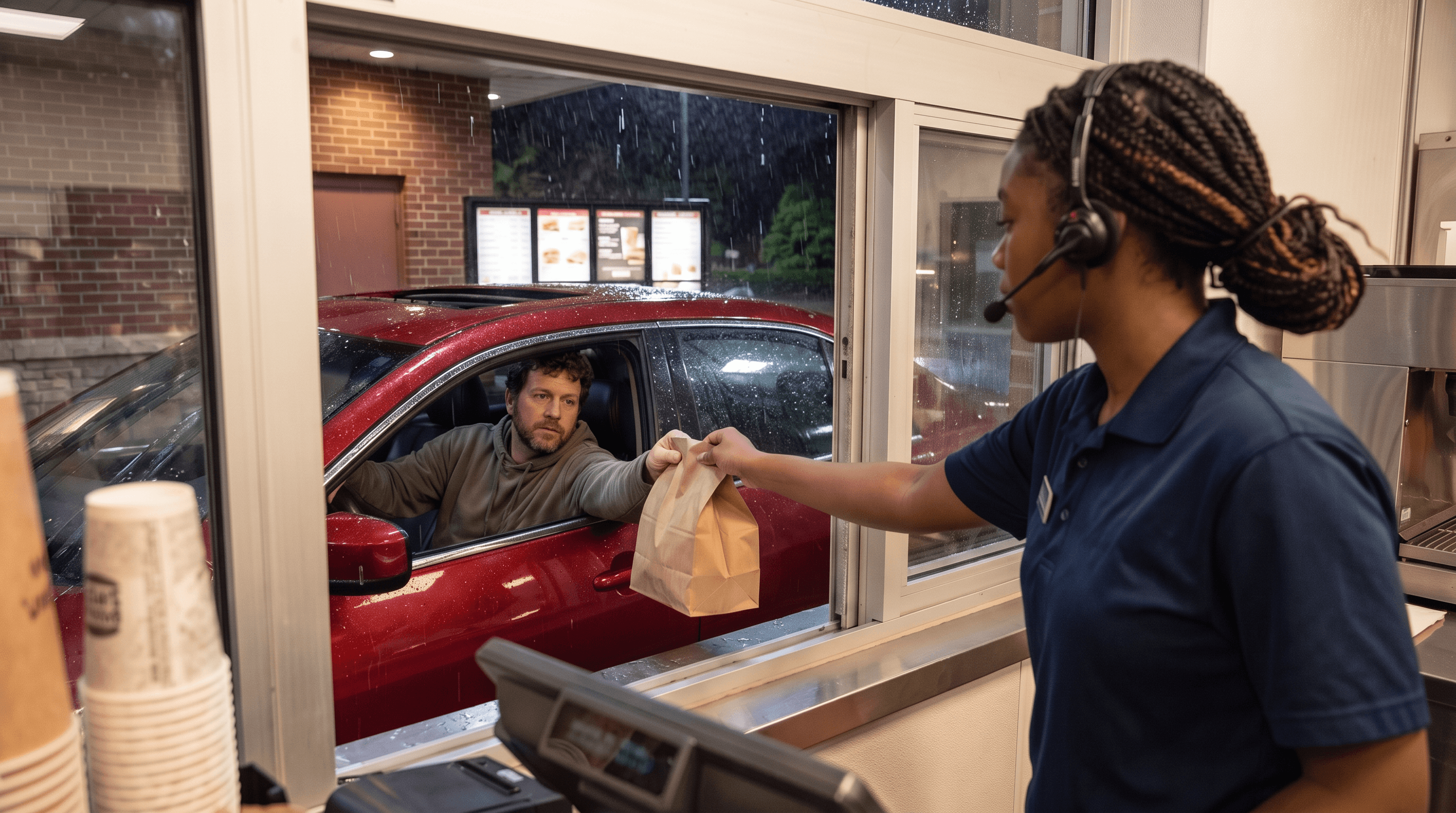
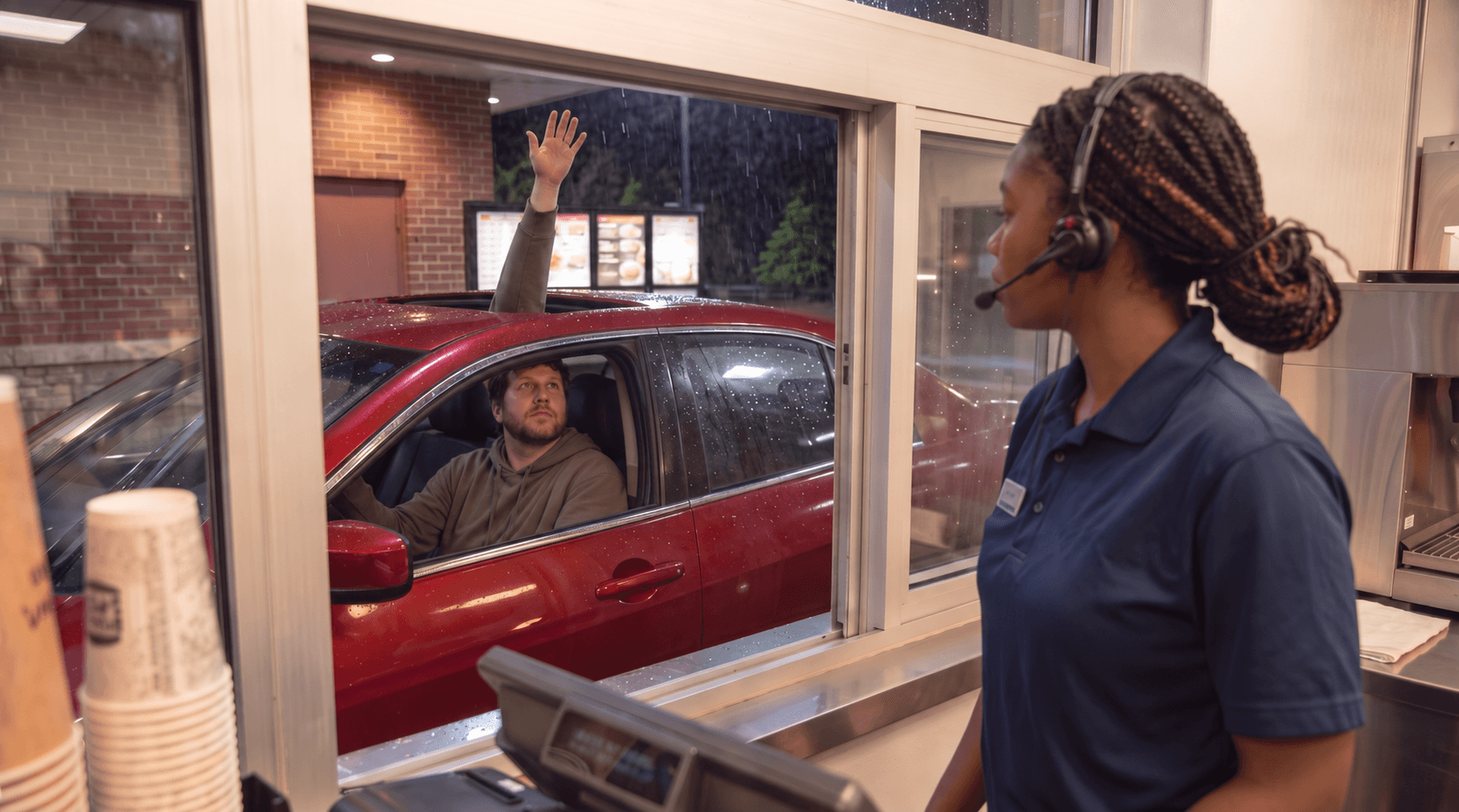
But “close” is the interesting bit. And I should caveat this: not all modern models are equal. But almost every model I tested understood the drive-thru to some degree. They understood the man, the car, the food bag, and the open sunroof. What they still struggled with was the one detail that actually makes the image worth making: the physical relationship between the man’s body, his arm, and the hole in the roof.

That tells me two things.
Firstly, prompt engineering is becoming less important in some instances. As models get better at understanding the world, we don’t always need to write a small novel describing every surface, lens choice, and spatial relationship. Sometimes, too much instruction actually gets in the way. Clear language, clear intent, and a strong reference can now outperform pages of prompting.
Secondly, creative direction is becoming more important. The machine can increasingly build the world for you, but it still doesn’t necessarily know which detail is non-negotiable. It doesn’t know that the arm through the sunroof is the joke, the story, and the reason the frame exists. That judgement still belongs to the person directing it.
So perhaps the real progress isn’t that AI can now make the image almost perfectly. It’s that we spend less time explaining the obvious, and more time concentrating on the thing that actually matters.
And in this case, twelve months later, the technology is significantly better.
But the sunroof still wins.